Guide to Installing Windows in Shipping Containers
Key Takeaways
- Installing windows in shipping containers can transform them into comfortable living or working spaces by bringing in natural light and ventilation.
- Fixed, sliding, and awning windows are popular choices for shipping containers.
- Consider reinforced glass and additional security features like bars to protect the contents of your container.
- Common mistakes like improper sealing or incorrect measurements can lead to leaks and security issues.
- Our expert fabrication team at Conexwest can help you install windows on your shipping container along with other customizations.
10 Types Of Windows Suitable For Shipping Containers
1. Fixed Windows
- Description: Non-operable windows that do not open.
- Benefits: Provide ample natural light, energy-efficient, and secure.
- Description: Windows that open by sliding horizontally.
- Benefits: Space-saving, easy to operate, and good for ventilation control. They are also easy to clean and do not protrude outward or inward.
3. Casement Windows
- Description: Hinged windows that open outward like doors.
- Benefits: Excellent ventilation and provide a tight seal when closed, which is useful for directing breezes into the container.
4. Awning Windows
- Description: Hinged at the top and open outward from the bottom.
- Benefits: Can be left open during rain without water coming in.
5. Hopper Windows
- Description: Hinged at the bottom and open inward from the top.
- Benefits: Compact design suitable for ventilation in smaller spaces.
6. Privacy Windows
- Description: Designed to maintain discretion while allowing light in (e.g., frosted or tinted glass).
- Benefits: Essential for areas where privacy is a concern, yet natural light is desired.
7. Burglar Bar Windows
- Description: Windows with added security features like burglar bars.
- Benefits: Provide an extra layer of protection against intrusions, suitable for residential or commercial applications.
8. Extra-Large Windows
- Description: Larger windows that enhance natural light intake.
- Benefits: Improve ventilation and create a more open feel within the container.
9. Concession Windows
- Description: Designed for service areas like food stalls.
- Benefits: Easy to open and close to facilitate business operations while maintaining security.
- Description: Installed on the roof to allow natural light in from above.
- Benefits: Greatly enhance illumination without compromising wall space.
Conexwest, a leader in shipping and storage solutions based in Northern California, offers new, used, and refurbished containers from 10ft to 45ft, with fast delivery within 3–7 days and container fabrication options like adding shelves and locks. We serve over 10,000 customers nationwide, including prestigious clients like the U.S. Navy and Google. As an ISO 9001 and AWS-certified company, we ensure top quality and competitive pricing. |
Get a quote
Step-By-Step Window Installation Process
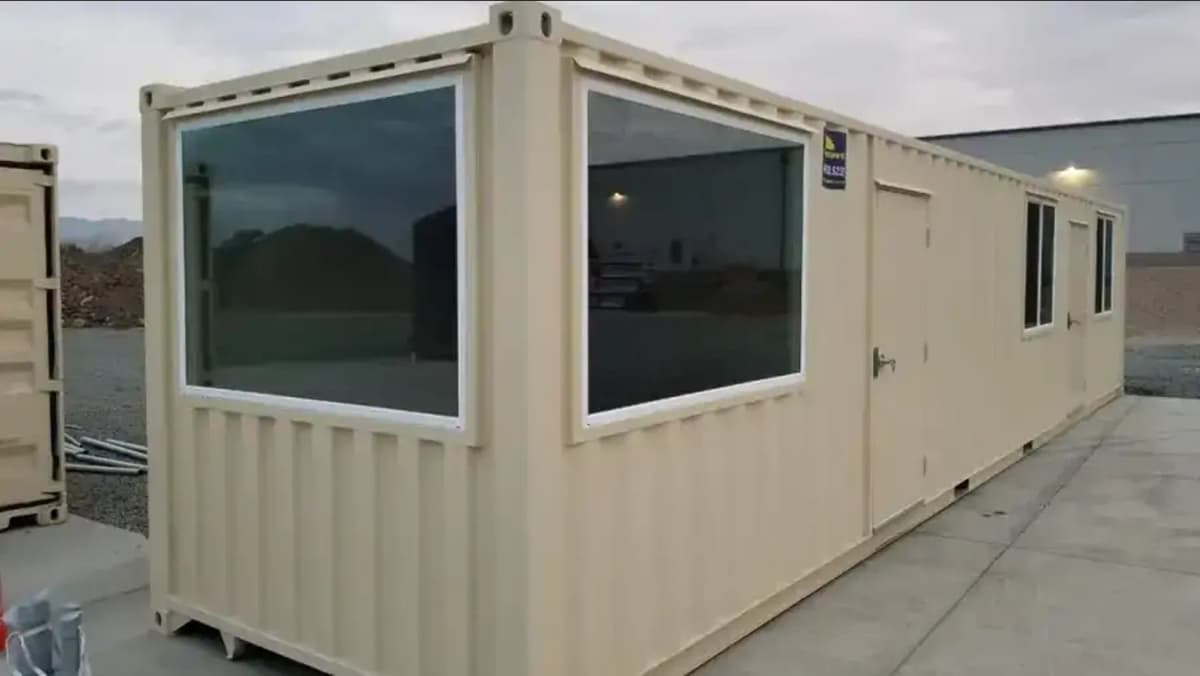
Hire Conexwest experts for best results
Step 1: Plan and Measure
- Decide how many windows you need and their sizes, based on your design and how much light or ventilation you want.
- Measure and mark the exact location for each window on the container wall. Use a marker to outline the dimensions clearly.
Step 2: Cut the Opening
- Use a circular saw or jigsaw to carefully cut along the marked lines. Make sure to wear safety gear like gloves and goggles to protect against flying metal shards.
- After cutting, smooth the edges of the opening with an angle grinder to remove sharp or uneven edges.
Step 3: Construct the Frame
- Build a sturdy frame using steel or wood that matches the size of the opening. The frame will provide support and make sure the window fits securely.
- Secure the frame to the container wall using screws or nails.
Step 4: Install the Window
- Place the window inside the frame such that it fits properly and is level.
- Secure the window by fastening screws or nails at each corner to hold it firmly in place.
Step 5: Seal the Edges
- Apply silicone sealant or caulking along the edges where the window meets the frame. This helps prevent water leaks and improve insulation.
Step 6: Finishing Touches
- Test the window to check if it opens and closes smoothly.
- Clean up any excess sealant and clear the work area of tools and debris.
Step 7 (Optional): Install Shutters for Security
- For added protection, especially in high-risk areas, install anti-vandal shutters or security bars over the window.
Final Considerations
- Always check local building codes and regulations before making modifications to your container.
- If you're not confident using power tools or making structural changes, consider hiring a professional like us for safety and accuracy.
Read More: Do Shipping Containers Need Man Door Window Fabrication?
8 Common Mistakes To Avoid When Installing Windows
1. Cutting an Opening Too Large
- Issue: Large openings can weaken the structural strength of the container, which is built to distribute weight evenly.
- Solution: Measure accurately and cut only what is needed for the chosen window size. For larger openings, reinforce the area with steel framing to maintain the container's stability.
2. Neglecting Insulation
- Issue: Without proper insulation, moisture can accumulate around the window, leading to condensation and eventual damage to the interior.
- Solution: Use insulation materials like spray foam or fiberglass around the window frame to prevent drafts and moisture entry.
3. Using Incorrect Fasteners
- Issue: Regular wood screws won’t provide the necessary strength to secure windows in metal containers.
- Solution: Opt for self-tapping metal screws or rivets that are designed for securing materials to metal surfaces.
4. Ignoring Rust Prevention
- Issue: Untreated steel can rust over time, especially around areas where the metal has been cut or exposed.
- Solution: Treat the edges and surrounding areas with rust-proof paint or a sealant, and choose corrosion-resistant materials for the window frame.
5. Poor Sealing Techniques
- Issue: Improper sealing can cause water leaks, drafts, and potential damage to the container's interior.
- Solution: Use a high-quality silicone sealant or weatherproof caulk to seal all edges and joints around the window.
6. Failing to Consider Ventilation
- Issue: Poor ventilation can lead to stale air, humidity, and discomfort inside the container.
- Solution: Install operable windows like sliding or casement styles that can open for airflow. You can also add mechanical ventilation systems if needed.
7. Overlooking Local Building Codes
- Issue: Ignoring building codes or zoning laws may result in fines or having to remove the installation altogether.
- Solution: Check local regulations thoroughly and maintain compliance with all building codes before starting the project.
8. Rushing the Installation Process
- Issue: Hastily installed windows can lead to misalignment, gaps, and improper sealing.
- Solution: Take your time to double-check measurements, alignments, and the fit of the window. Carefully follow each step mentioned above to avoid costly mistakes.
Read More: Do Shipping Containers Need Double Pane Sliding Window Fabrication?
Choose Conexwest For Shipping Container Fabrication
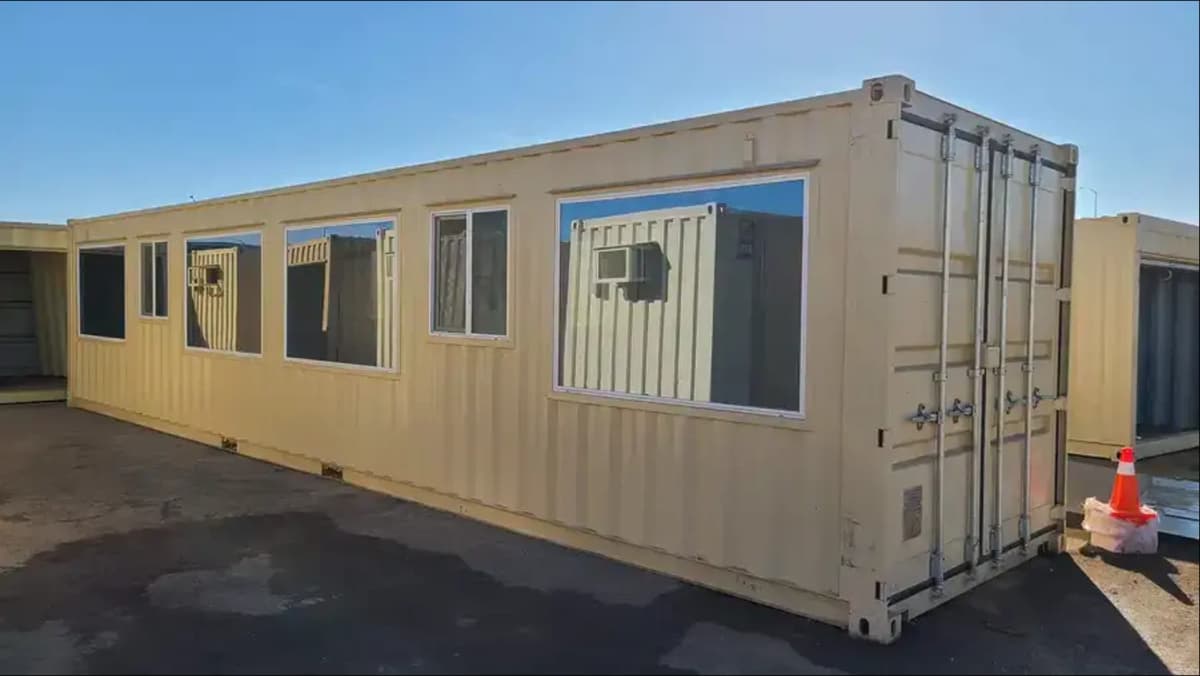
We have many window options including picture and sliding.
Choosing us for shipping container fabrication can make a real difference in your project. Here's why:
Comprehensive Fabrication Services
We serve as a one-stop shop for all your fabrication needs. Need windows, vents, shelving, or custom paint? We can make it happen and much more. Plus, with years of experience, we can recommend ideas and draw inspiration from past projects to bring your vision to life.
Reliable and Skilled Team
Our fabrication shops are staffed with full-time technicians and craftsmen who are experts in their field. On top of that, they’re regularly trained in the latest container trends and technologies so your project is executed with precision.
Transparent Pricing
We provide clear and upfront pricing for all services. Submit your details through our website to quickly receive a custom quote.
Customer-Centric Approach
Your satisfaction is at the heart of what we do. Thus, our team is always available to answer your questions and guide you through the process.
Get a quote
